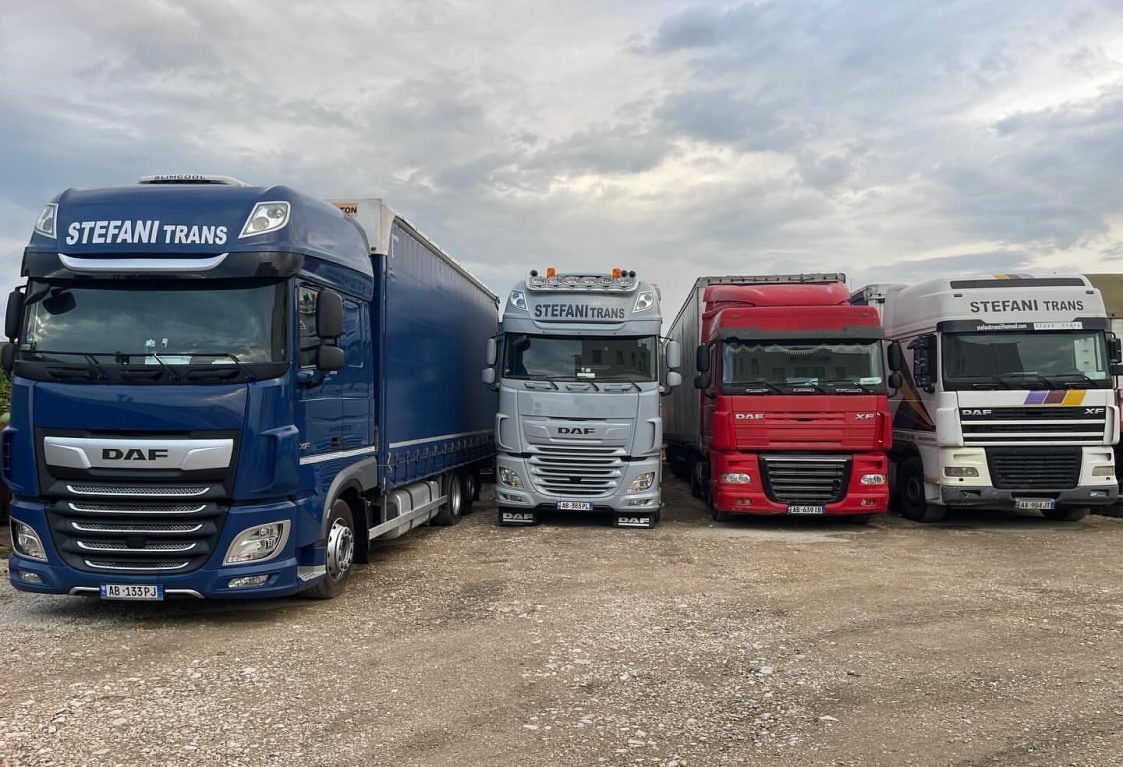
Stefani Trans sh.p.k is a trusted logistics company operating in Albania, providing both domestic and across Europe cargo transport services. We specialize in full truckload (FTL), groupage transport (LTL), and ADR (hazardous materials) transport. With a focus on affordability and efficiency, we offer some of the most competitive prices in the industry, ensuring safe and timely deliveries.
Worldwide Clients
Successful Delivery
The most affordable prices for reliable transport services
Fast, on-time deliveries, meeting tight schedules with efficiency.
We provide real-time tracking for full visibility of your deliveries.
24/7 customer support, ensuring assistance whenever you need it.
Reducing logistics problems requires a systematic approach and attention to various aspects of the supply chain. Here are some strategies that can help mitigate logistics problems:
1. Efficient Planning: Effective logistics planning is crucial. It involves optimizing routes, scheduling deliveries, and ensuring appropriate inventory levels to avoid stockouts or excessive carrying costs. Utilize technology and data analysis to enhance planning accuracy and identify potential bottlenecks.
2. Improved Communication: Establish clear and open lines of communication among all stakeholders involved in the logistics process, including suppliers, carriers, and customers. Regularly share information, such as order updates, tracking details, and potential disruptions, to enable better coordination and quick problem resolution.
3. Inventory Management: Adopt inventory management techniques like just-in-time (JIT) or lean inventory principles to minimize excess inventory and reduce storage costs. Accurate demand forecasting and real-time inventory tracking systems can help optimize stock levels and prevent stockouts.
4. Automation and Technology: Embrace technology solutions such as warehouse management systems (WMS), transportation management systems (TMS), and enterprise resource planning (ERP) software to streamline operations, improve efficiency, and enhance visibility across the supply chain.
5. Supplier and Carrier Relationships: Foster strong partnerships with reliable suppliers and carriers. Regularly evaluate their performance and address any issues promptly. Collaborate to identify opportunities for cost savings, process improvements, and mutually beneficial strategies.
6. Risk Management: Implement risk mitigation strategies to address potential disruptions like natural disasters, geopolitical events, or transportation delays. Develop contingency plans, diversify suppliers and transportation routes, and maintain backup inventory to minimize the impact of unforeseen circumstances.
7. Continuous Improvement: Regularly assess logistics processes and performance metrics to identify areas for improvement. Encourage feedback from employees, customers, and partners to uncover bottlenecks, inefficiencies, and customer satisfaction issues. Implement continuous improvement initiatives to drive efficiency and address logistics challenges proactively.
Remember that each organization's logistics challenges are unique, so it's essential to analyze your specific operations and identify tailored solutions to reduce logistics problems effectively.
The best way to manage logistics depends on various factors, including the size of the organization, the nature of the business, the complexity of the supply chain, and specific goals and requirements. However, here are some key practices that can contribute to effective logistics management:
1. Comprehensive Planning: Develop a robust logistics strategy that aligns with your business objectives. This involves analyzing customer demands, optimizing transportation routes, forecasting inventory needs, and designing efficient warehouse and distribution processes.
2. Integrated Systems and Technology: Leverage technology solutions like Transportation Management Systems (TMS), Warehouse Management Systems (WMS), and Enterprise Resource Planning (ERP) software to automate processes, improve visibility, and enhance decision-making capabilities across the supply chain.
3. Efficient Inventory Management: Optimize inventory levels by employing inventory forecasting techniques and implementing inventory management systems. Strive for a balance between avoiding stockouts and minimizing carrying costs.
4. Collaboration and Communication: Foster strong relationships and effective communication channels with suppliers, carriers, and other partners. Regularly exchange information, collaborate on forecasting and planning, and promptly address issues or changes in demand.
5. Continuous Improvement: Implement a culture of continuous improvement by regularly assessing logistics performance, gathering feedback from stakeholders, and implementing process enhancements. Continuously seek opportunities to streamline operations, reduce costs, and enhance customer satisfaction.
6. Performance Monitoring and Metrics: Establish key performance indicators (KPIs) to track and measure logistics performance. Monitor metrics such as on-time delivery, order accuracy, transportation costs, inventory turnover, and customer satisfaction. Use data analysis to identify areas for improvement and make informed decisions.
7. Risk Management: Develop contingency plans to mitigate risks and disruptions in the supply chain. Identify potential risks, such as natural disasters or supplier failures, and establish backup suppliers, alternate transportation routes, or safety stock to minimize the impact on operations.
8. Talent Development: Invest in developing and retaining skilled logistics professionals who can effectively manage and optimize your supply chain. Provide training and resources to enhance their knowledge and keep up with evolving industry trends and technologies.
Remember that effective logistics management is an ongoing process that requires adaptation, continuous monitoring, and collaboration with various stakeholders. By implementing these practices and customizing them to your organization's specific needs, you can establish a solid foundation for efficient and successful logistics management.
Logistics can be categorized into various types based on the specific aspect of the supply chain they focus on. Here are some common types of logistics:
1. Inbound Logistics: This type of logistics involves managing the movement and storage of materials, components, and goods from suppliers to the organization's facilities. It includes activities such as procurement, transportation, warehousing, and inventory management.
2. Outbound Logistics: Outbound logistics refers to the management of products from the organization's facilities to the end customers. It includes order processing, warehousing, packaging, transportation, and delivery to the final destination.
3. Reverse Logistics: Reverse logistics deals with the movement and management of products from the customer back to the organization. It encompasses processes such as product returns, repairs, recycling, refurbishment, or disposal.
4. Distribution Logistics: Distribution logistics focuses on the efficient distribution of finished products to wholesalers, retailers, or end customers. It involves activities such as order fulfillment, inventory management, transportation, and route optimization.
5. International Logistics: International logistics deals with the movement of goods across international borders. It includes activities such as customs clearance, documentation, freight forwarding, compliance with international regulations, and coordination with international partners.
6. E-commerce Logistics: E-commerce logistics specifically caters to the unique requirements of online retail. It involves managing activities such as order processing, inventory management, packaging, last-mile delivery, and returns handling for e-commerce businesses.
7. Supply Chain Logistics: Supply chain logistics encompasses the end-to-end coordination and management of all activities involved in the supply chain. It involves the integration of various logistics functions, such as procurement, production, inventory management, transportation, and distribution.
8. Third-Party Logistics (3PL): 3PL logistics refers to outsourcing logistics activities to third-party service providers. These providers offer specialized logistics services such as transportation, warehousing, and distribution, allowing organizations to focus on their core competencies.
It's important to note that these types of logistics are interconnected and often overlap in practice. The specific types of logistics relevant to a business depend on its industry, operational requirements, and the nature of its supply chain.